
 Sarah Chen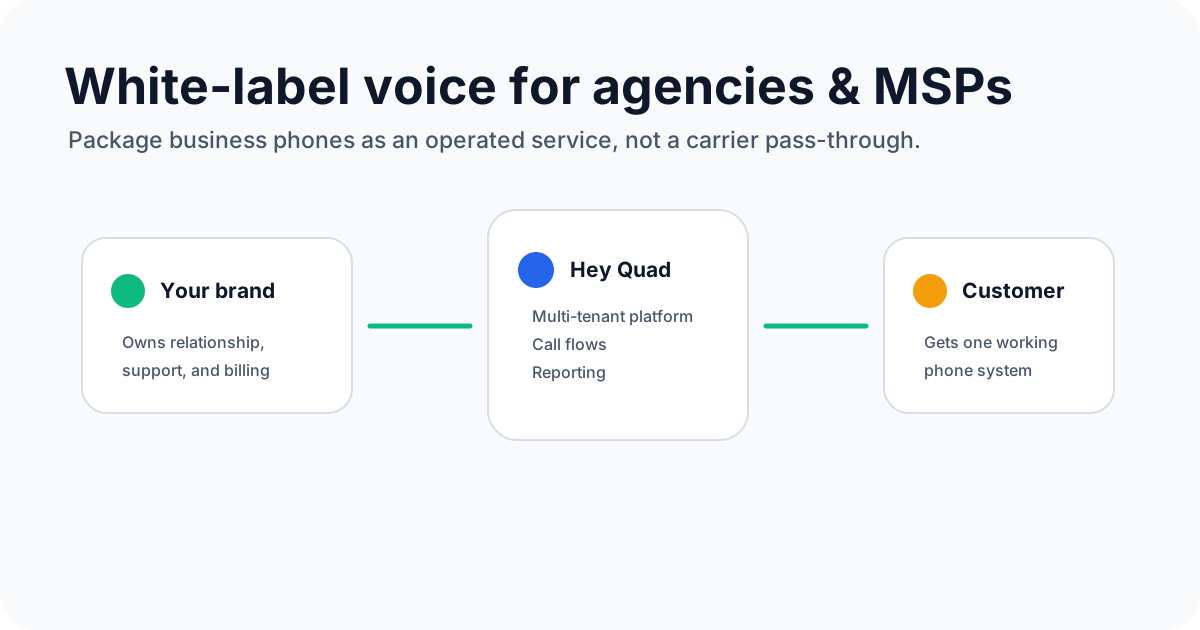
Most agencies and MSPs find voice through an existing customer, not a strategic planning session. A client asks, "Can you also handle our phones?" and the provider has three choices:
- Refer the customer to a national phone vendor and lose the account control.
- Quote a hosted PBX they do not really operate and inherit the support risk.
- Resell a modern phone platform under their own brand and package the operational work around it.
This article is about the third path. Not "become a carrier." Not "sell minutes." A white-label voice offer works when you sell the phone system as an operated business service.
The reseller model in one picture
White-label voice only works if each party owns the right layer:
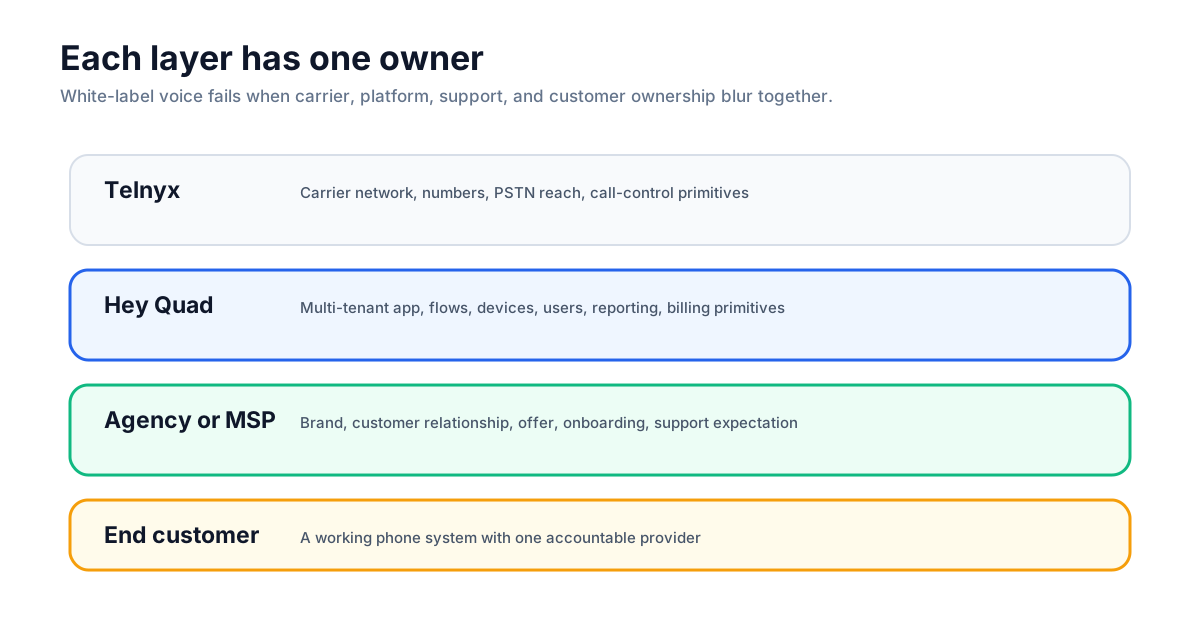
Telnyx handles carrier infrastructure. Hey Quad handles the multi-tenant platform: call flows, users, devices, reporting, billing primitives, and white-label surfaces. The partner owns the customer relationship, packaging, onboarding, and support expectation.
That split matters because customers do not buy SIP trunks. They buy a working front desk.
The unit economics are product economics
The margin is not in the minute. The margin is in the managed experience on top of the minute: softphones, auto-attendants, queues, SMS, support, training, and one accountable provider.
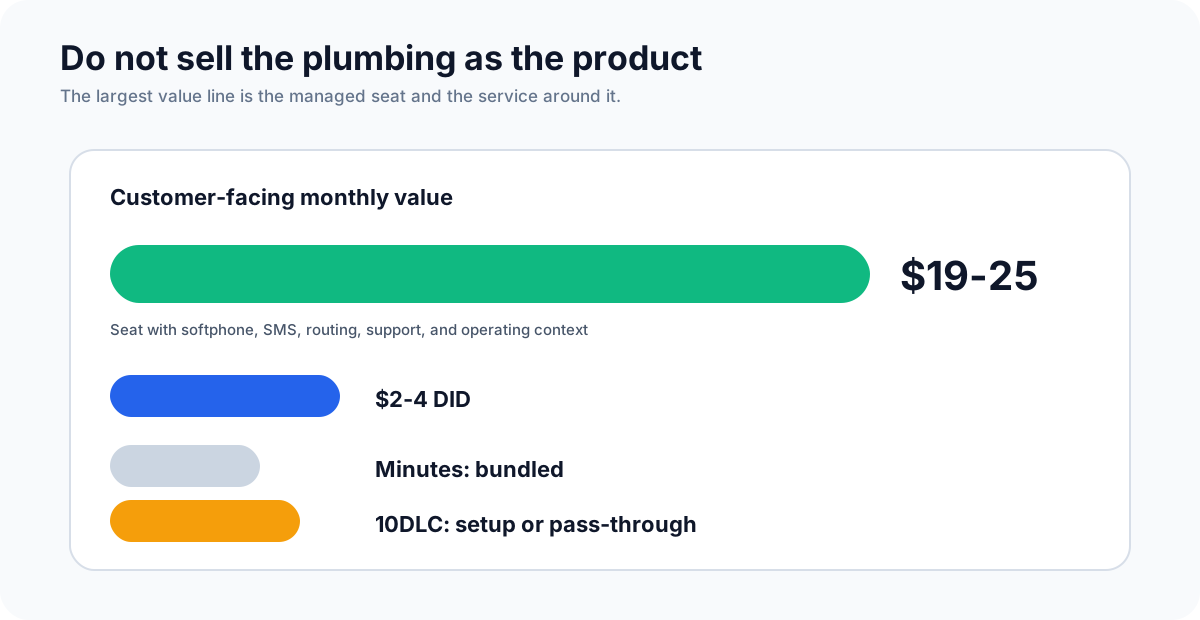
A simple example model:
| Line item | Cost to you | Customer-facing price | Margin logic |
|---|---|---|---|
| Seat with softphone + SMS | $4-6 | $19-25 | Main margin line |
| Phone number | $0.50-1.00 | $2-4 | Small but visible |
| Inbound minutes | $0.0035 | Bundled | Keep it boring |
| 10DLC registration | Pass-through | Pass-through or setup fee | Avoid surprise |
The partner who wins this category does not say, "We can save you a few dollars per seat." They say, "We will own your phone system, port your numbers, configure your routing, train your team, and support it from the same place you already call for IT."
What you actually have to deliver
Reselling phones is not the same as reselling SaaS. There are three jobs the customer will expect someone to own:
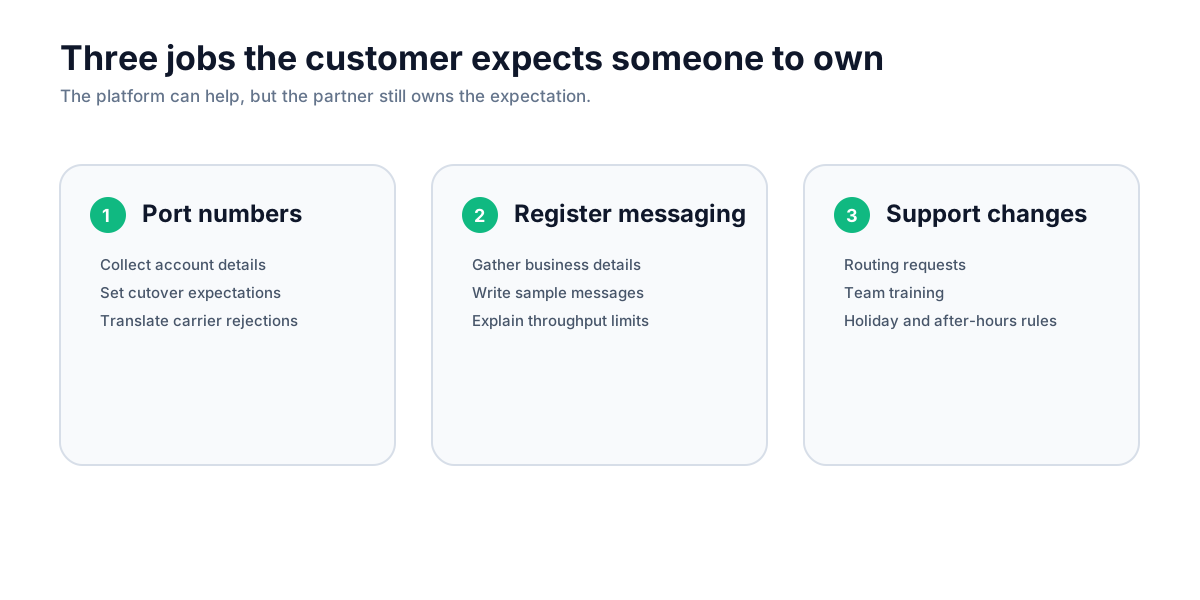
Number portability. Customers usually want to keep existing numbers. You need to collect the right account details, set the cutover expectation, track carrier replies, and translate rejections into plain English.
10DLC and messaging setup. If customers want to text from business numbers, they need brand and campaign registration. The platform can submit the work; the partner still needs to collect business details, sample messages, and consent language.
Support after go-live. A large share of voice support is operational: "How do I forward calls?" "Why did this route to voicemail?" "Can we change holiday hours?" The partner advantage is knowing the customer's business context.
If those jobs sound reasonable, voice is a strong add-on. If they sound like work you do not want to own, do not hide that fact inside a seat price.
Package outcomes, not carrier parts
The fastest path is usually not a menu of telecom line items. Package the result:
| Offer | Best fit | What it includes |
|---|---|---|
| Done-for-you phone system | Existing SMB clients | Porting, call flows, users, devices, training, support |
| Phones included | Managed IT retainers | Voice bundled into a broader monthly service |
| Vertical voice package | Niche agencies | Templates for the same workflow repeated across customers |
| White-label platform | Resellers with a brand | Branded app, customer billing path, multi-customer operations |
The key is that each package has an obvious owner. When the customer has a routing change, billing question, porting issue, or support request, they should know who to call.
The first 30 days
Do not launch voice by blasting your whole book of business. Launch it like an operational playbook.
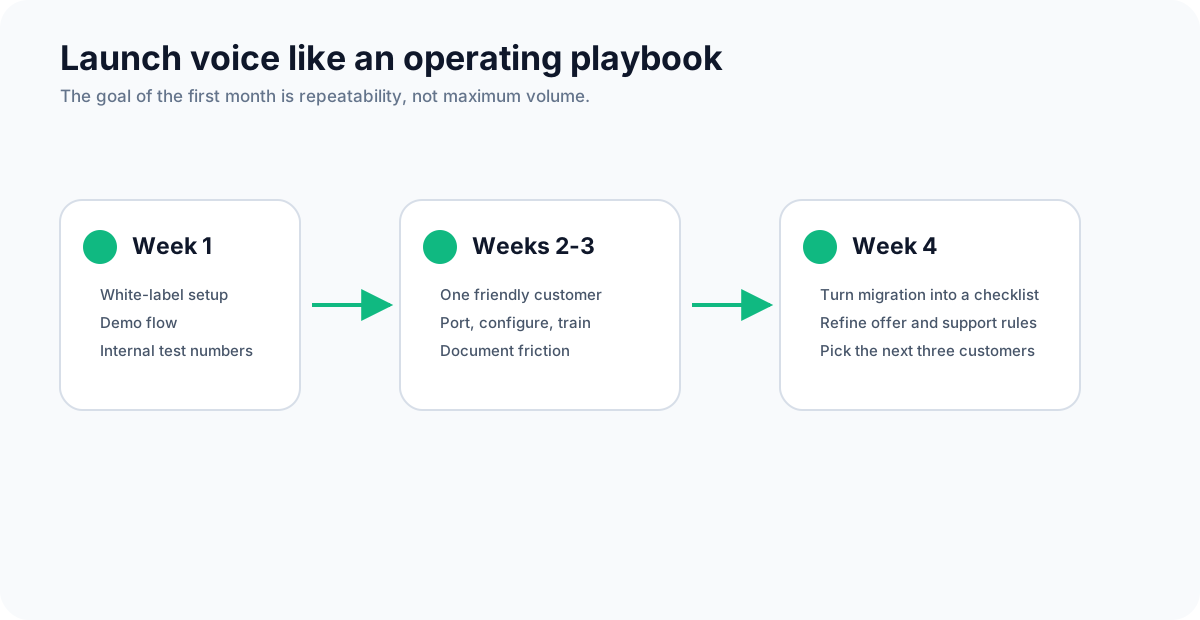
Week 1: set up the operating base. Configure the white-label domain, support email, billing path, internal test numbers, and one demo flow you can show without explaining the platform from scratch.
Weeks 2-3: migrate one friendly customer. Pick a customer with a simple phone tree and a patient decision maker. Run the port, configure their routing, train the team, and document every step that caused confusion.
Week 4: turn the first migration into a checklist. Refine the offer, the cutover email, the training agenda, the support boundaries, and the sales explanation. Then go to the next three best-fit customers.
Where it actually breaks
Most failed voice launches do not fail because the platform cannot place a call. They fail because expectations were set badly:
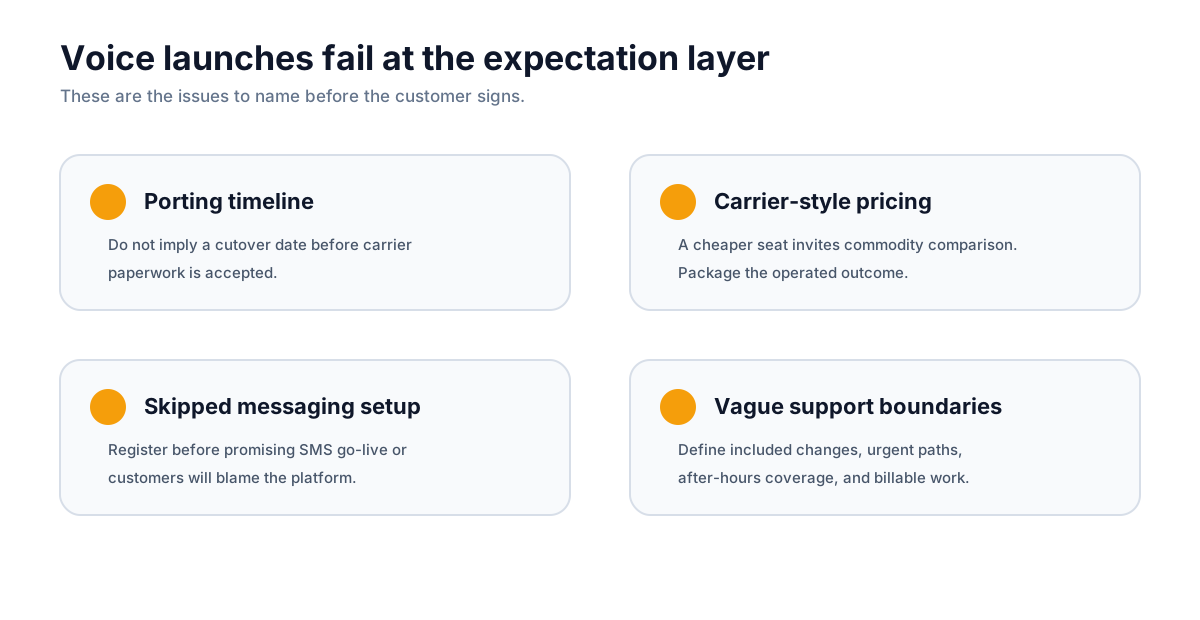
You undersold the porting timeline. A customer who expects cutover this week will be frustrated if the carrier process takes longer. Say up front that the old system stays live until the port completes.
You priced like a carrier. If your offer is only a cheaper seat, the customer compares you to every phone vendor on the internet. Sell the managed outcome.
You skipped messaging registration. Customers expect texting to work because the UI has a message box. Register the campaign before promising SMS go-live.
You left support boundaries vague. Decide which changes are included, which changes are billable, who answers urgent routing issues, and what happens after hours.
Where to go next
If you are an agency or MSP thinking about adding voice, the partners page has the white-label specifics: branding, customer isolation, billing, and support boundaries.
If you want to pressure-test whether your customer base is a fit, email partners@heyquad.com and we will talk through the first offer and first migration candidate.