 David Hacker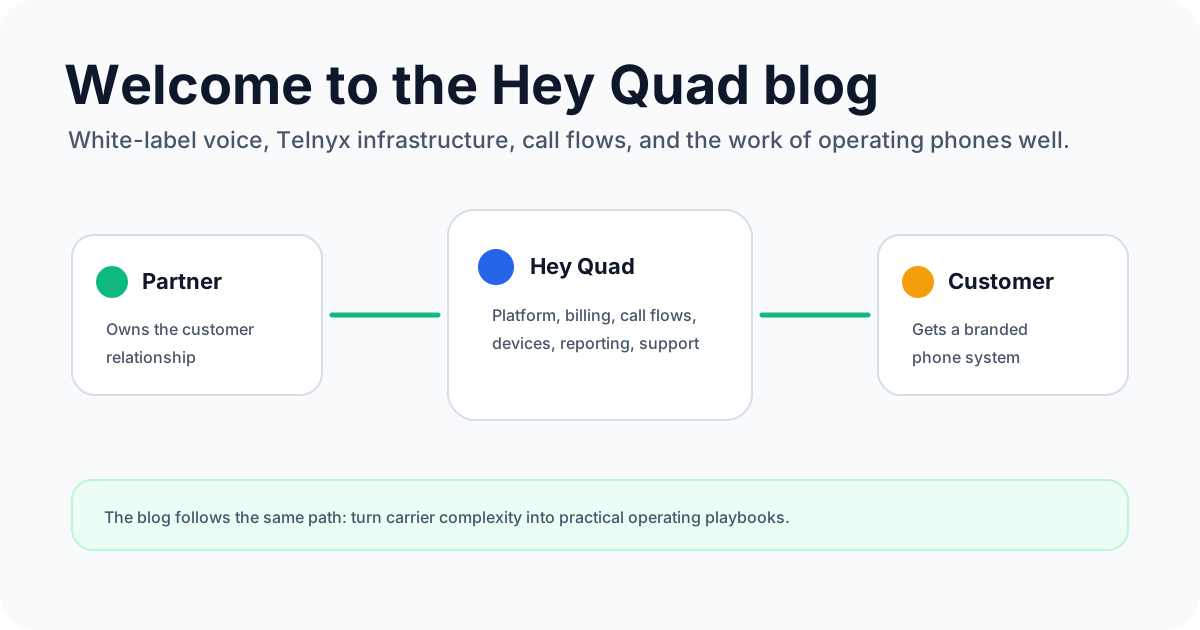
Business phone systems sit in a strange place. Every company needs one, almost nobody wants to think about it, and the problems only become visible when a customer cannot reach the business.
Hey Quad exists for the people who end up owning that problem anyway: agencies, MSPs, IT providers, and operators who get asked, "Can you also handle our phones?"
We are building a multi-tenant business phone platform on Telnyx that partners can resell under their own brand. This blog is where we will show the work: what we ship, what breaks, how the voice stack fits together, and how partners can turn phones into a product line instead of a referral.
The job we are taking on
Most small businesses do not want a telecom project. They want a reachable front desk, a clean auto-attendant, a voicemail that lands in the right inbox, text messages that deliver, and a support person who can explain what changed.
That is the lane Hey Quad is built for:
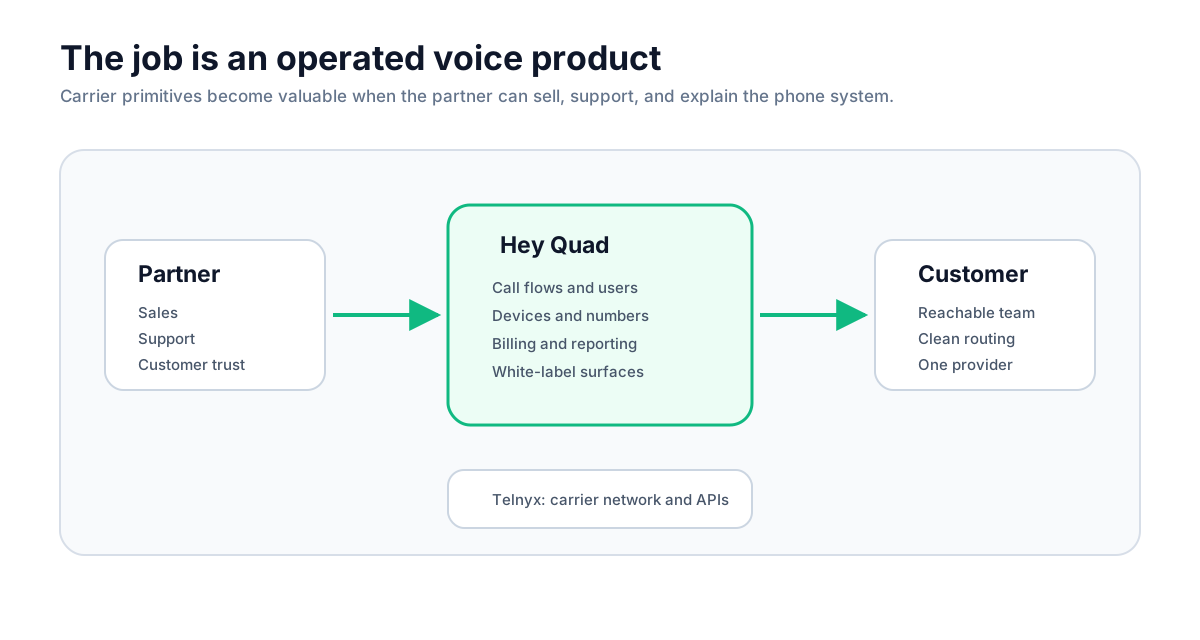
The carrier network matters. So does call control, porting, 10DLC, recording, and device provisioning. But the product value is in the operated experience around those pieces: setup, routing, reporting, support, billing, and the confidence that calls will go where they are supposed to go.
What we will publish
The blog has four lanes:
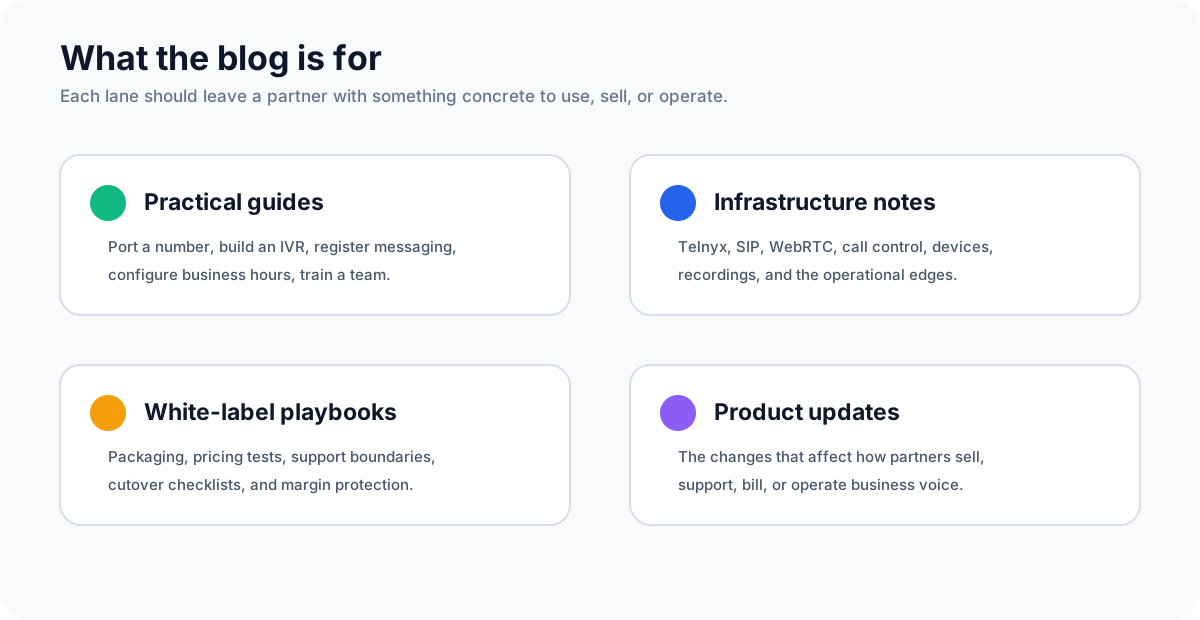
Practical guides. Step-by-step articles for the work customers ask about first: buying or porting numbers, building an auto-attendant, setting business hours, registering for 10DLC, and routing calls to the right team.
Voice infrastructure notes. Telnyx, SIP, call control, WebRTC, recordings, delivery limits, device provisioning, and the operational edges that do not fit neatly into product pages.
White-label playbooks. How agencies and MSPs package voice, protect margin, set support boundaries, run cutovers, and avoid the failure modes that make phone projects feel harder than they need to be.
Product updates. The releases that change how partners sell, support, or operate voice for their customers.
The point of view
The usual phone-system conversation starts with features. We think that is backwards. The real decision is operational:
| Question | Why it matters |
|---|---|
| Who owns porting paperwork? | Cutovers fail when nobody owns the boring details. |
| Who explains SMS registration? | Carriers throttle before customers understand why. |
| Who sees call quality and usage? | Support needs evidence, not screenshots from three portals. |
| Who bills the customer? | Margin disappears when voice stays a pass-through line item. |
What we will avoid
We are not starting a blog to pad search results with generic "best business phone system" posts. Those are easy to write and rarely useful.
We will bias toward artifacts you can use: diagrams, checklists, example call flows, pricing models, onboarding rhythms, support scripts, and the engineering notes we wish existed before we had to learn them the hard way.
Where to start
If you are evaluating Hey Quad as a partner channel, start with the partners page. If you want the technical story first, read how we built business calling on Telnyx.
For topics you want covered, email hello@heyquad.com.